
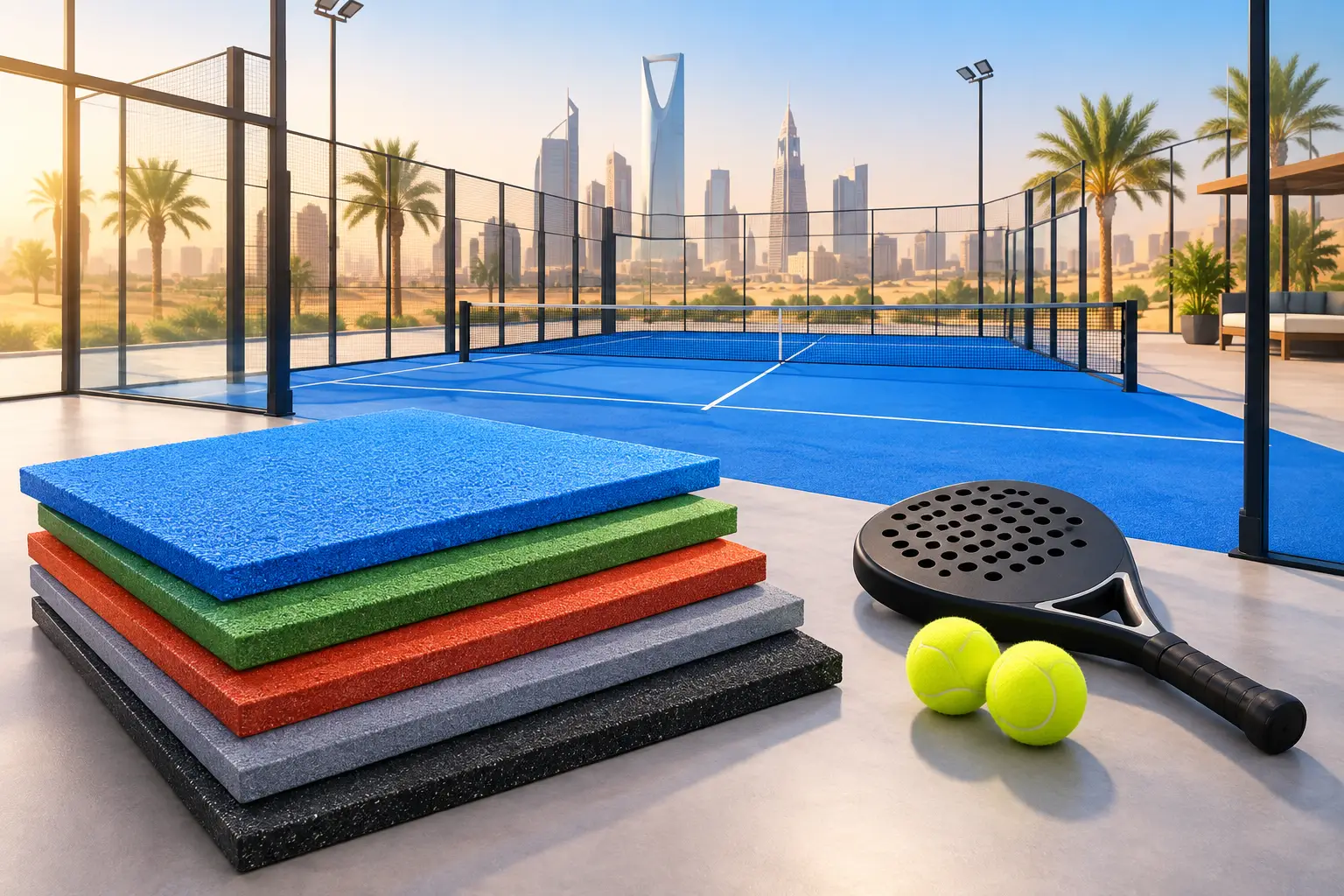
Sports Facility Safety Compliance Saudi Arabia
Recent Posts
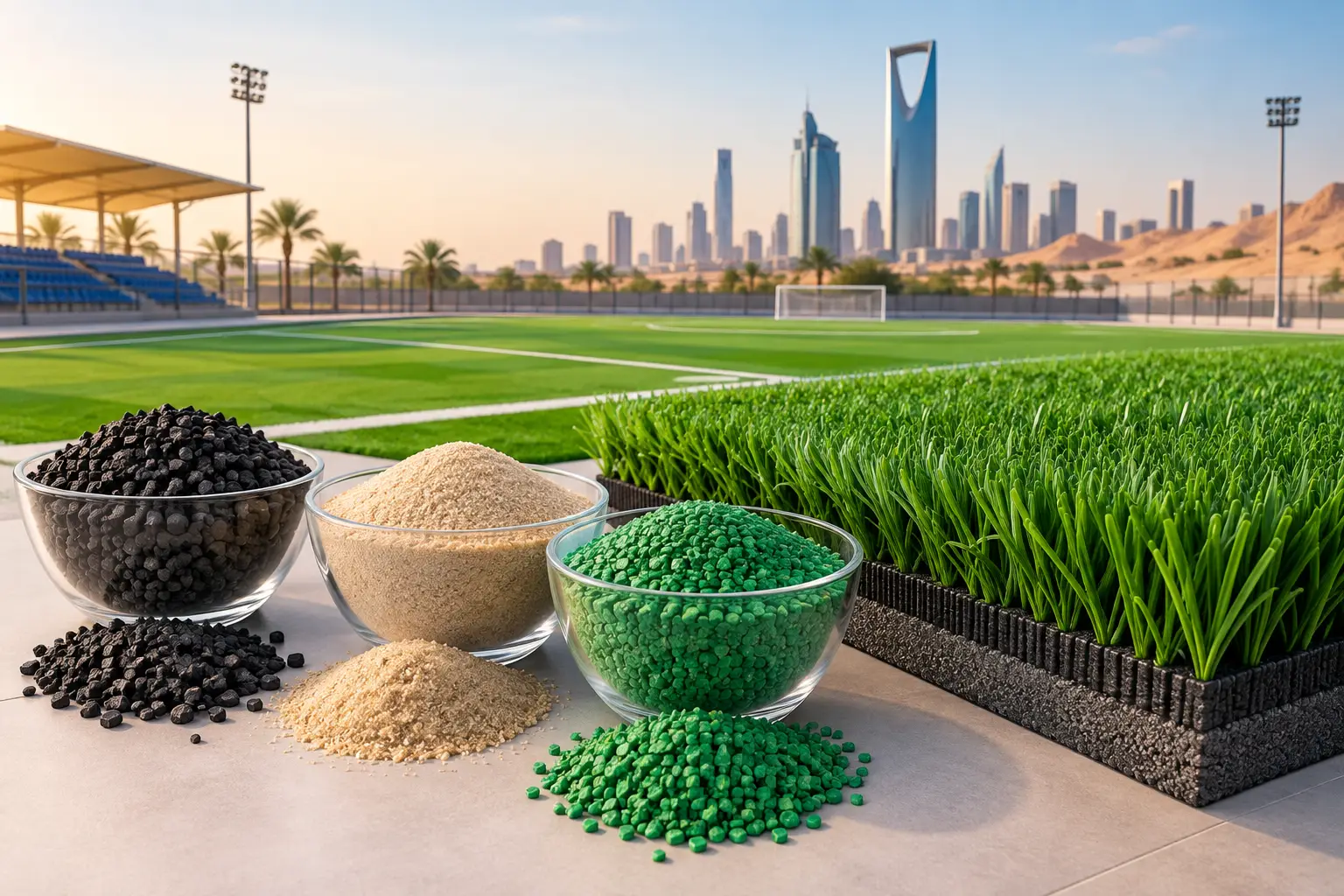
Selecting Turf Infill Materials for Saudi Sports
September 14, 2026
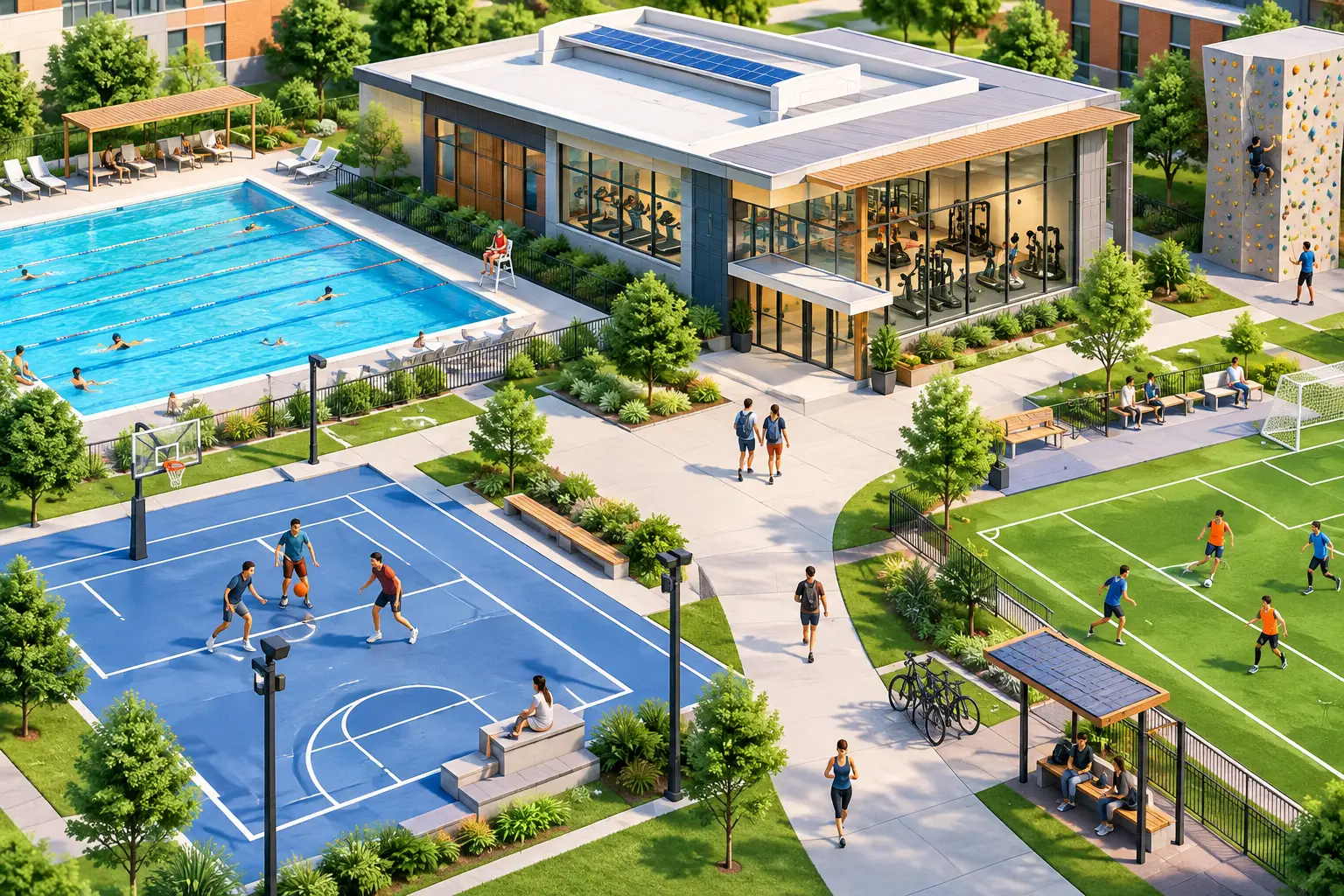
How to Upgrade Campus Recreation for Daily Use
September 13, 2026
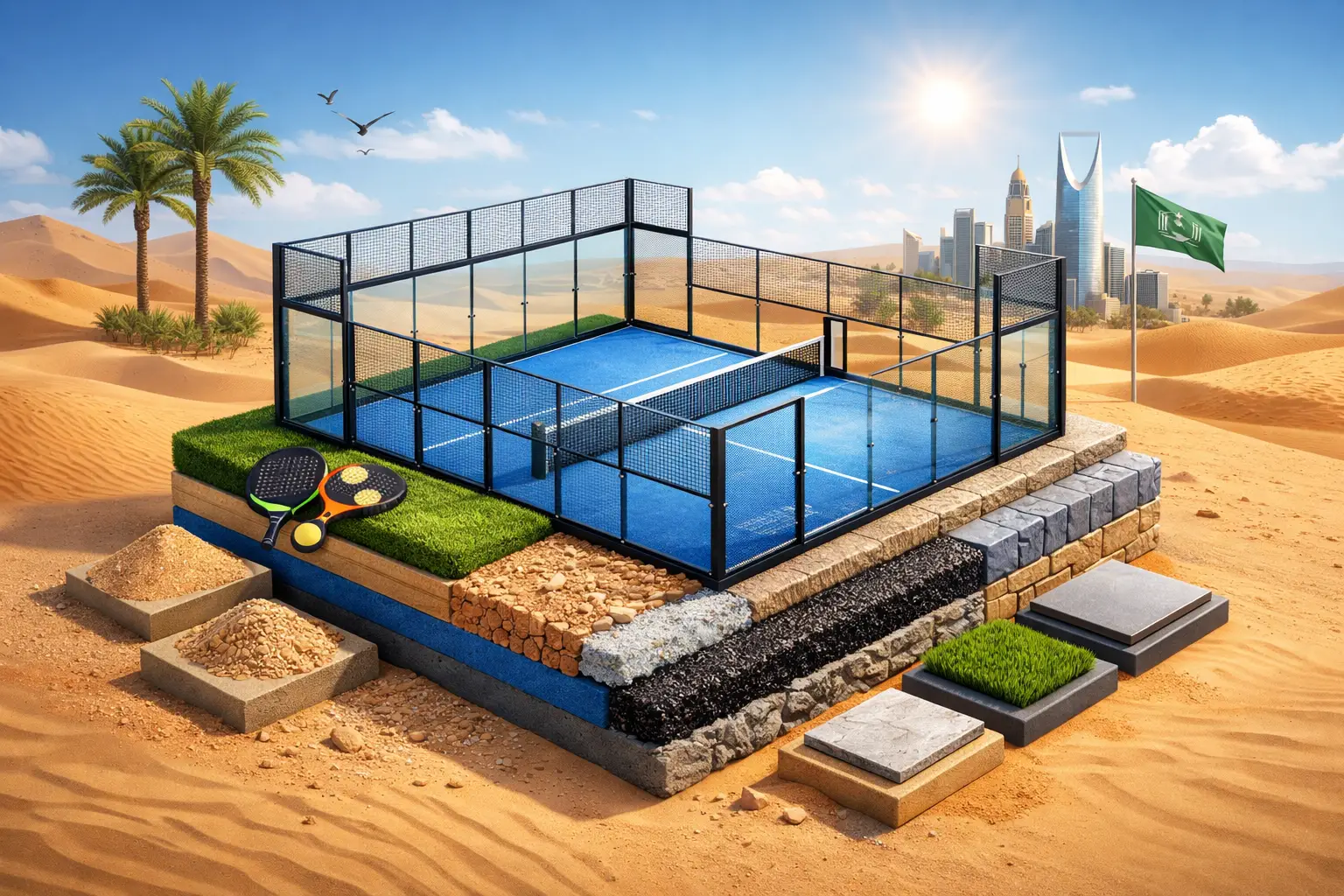
Best Padel Court Materials for Saudi Conditions
September 12, 2026
Best Outdoor Fitness Equipment for Saudi Sites
September 11, 2026
Share Post
A court can look complete on handover day and still create unacceptable risk by its first summer. Surface temperatures rise, coatings expand, drainage paths reveal weaknesses, and heavy use exposes loose fittings or poor transitions. Sports facility safety compliance Saudi Arabia is therefore not a paperwork exercise at the end of construction. It is a design, material, installation, and operating discipline that must be built into the asset from the first site survey.
For public entities, developers, schools, compounds, and destination operators, the objective is clear: provide a facility that supports confident participation, withstands local conditions, and remains defensible under inspection. The strongest projects treat safety as a performance requirement alongside appearance, playability, budget, and program delivery.
What sports facility safety compliance means in Saudi Arabia
Compliance begins with the approvals and technical requirements that apply to a specific project. These can include the Saudi Building Code, Civil Defense requirements, municipal conditions, accessibility provisions, site-specific planning requirements, and the operational rules of the facility owner. The applicable route varies by asset type, location, occupancy, and whether the facility is public, educational, residential, or commercial.
A multi-use court within a school, for example, has different access control, supervision, and evacuation considerations than a padel venue in a hospitality development. A neighborhood skate park requires a different risk assessment from an indoor gym or an athletics track. There is no single certificate that makes every sports environment compliant.
International product and sport standards can also provide useful performance benchmarks. Depending on the system, these may cover impact attenuation, slip resistance, ball response, artificial turf performance, equipment loading, or fire behavior. They should support the project specification, not replace local authority requirements. A qualified contractor should identify the governing requirements early, maintain material documentation, and coordinate the evidence needed for approval and handover.
Design risk out before construction starts
The most economical safety decision is usually made before materials arrive on site. Site planning should account for user movement, vehicle access, emergency response, drainage, shade, lighting, and the relationship between active zones and spectators. Retrofitting these items after completion is disruptive and often more expensive.
Start with the users and the activity
A facility designed for young children needs forgiving fall zones, controlled access, and clear separation between activities. A competition-oriented basketball court needs predictable traction, properly positioned equipment, and sufficient run-off space. A community recreation zone may need to accommodate a wider range of ages and abilities, which makes circulation and visible rules particularly valuable.
The activity determines the risk profile. Padel systems require secure structural anchoring, correctly specified glazing, safe door operation, and clear perimeter conditions. Skate parks and pump tracks require accurate geometry, smooth transitions, and fall-zone planning. Outdoor fitness equipment requires suitable foundations, safe spacing, and surfaces that manage impact and drainage without creating trip edges.
Treat heat, glare, and drainage as safety issues
Saudi conditions change the material conversation. Extreme solar exposure can make a surface uncomfortable or unsafe to use, accelerate coating degradation, and affect the movement of joints and fixtures. Heat-ready acrylic systems, quality artificial turf constructions, EPDM rubber surfacing, and polyurethane systems must be selected as complete assemblies, not as isolated product names.
Color selection also matters. Dark finishes may suit a visual concept but can retain more heat in exposed locations. The right decision depends on the site, shade strategy, scheduled use, and required sport performance. There is always a trade-off between visual identity, surface temperature, maintenance expectations, and budget.
Drainage is equally decisive. Standing water can reduce traction, damage sub-base layers, and create algae or surface contamination over time. Correct slopes, drainage channels, edge detailing, and sub-base compaction protect both user safety and the long-term investment. A high-performance top layer cannot compensate for poor civil works beneath it.
Safe sports surfaces are complete systems
A safe court or recreation zone is never just its visible finish. Its performance depends on the relationship between the sub-base, moisture control, leveling, shock-absorbing layers where required, surface coating or turf, line markings, joints, edging, and drainage.
On acrylic courts, uneven levels, cracking, weak adhesion, or poorly formed transitions can compromise footing and ball behavior. On artificial turf, the infill selection, seam quality, backing stability, and edge restraint affect consistency and trip risk. For EPDM flooring, the base, binder ratio, thickness, and curing conditions determine whether the surface delivers reliable impact performance and resists premature failure.
This is why certified sourcing alone is not enough. A correctly specified material can still underperform when installed over an unstable base or applied outside suitable temperature and moisture conditions. Precision installation standards, trained crews, documented inspections, and contractor accountability are part of the safety system.
Equipment and perimeter details deserve equal attention
Goals, hoops, net posts, fencing, gates, spectator barriers, and lighting columns must be designed and fixed for their intended loads. Temporary-looking solutions often become permanent hazards when fixtures lack proper anchoring, protective padding, or inspection records.
Perimeter details should prevent conflict between users and surrounding structures. Fence panels should not have exposed sharp edges. Gates must operate predictably and avoid obstructing escape routes. Court-side drainage grates and utility covers need secure, flush detailing. Where there is a change in surface material or level, the transition should be deliberate, visible, and suitable for the expected users.
Inspection should be planned, not improvised
Handover is a critical control point. Before opening, the operator should receive more than a visually attractive facility. The project file should include approved material data, warranties, as-built information where applicable, installation records, equipment documentation, maintenance instructions, and a clear defect-reporting path.
A practical pre-opening inspection should verify surface continuity, drainage behavior, line-marking accuracy, secure fixings, fence and gate operation, lighting coverage, emergency access, signage, and the absence of protrusions or trip hazards. For more complex sites, the inspection process may also need to involve specialist consultants, operators, or relevant authorities.
Photographic records are valuable because they establish the condition at handover. They also make later maintenance decisions more objective. If a crack, loose edge, or faded zone develops, the operator can assess whether it is normal wear, an environmental effect, misuse, or a defect requiring corrective action.
Compliance continues through operations and maintenance
No surface remains safe without an operating routine. Daily visual checks are appropriate for busy public and school facilities, while lower-use private amenities may follow a different schedule. The frequency should reflect use intensity, user profile, weather exposure, and the consequences of failure.
Operators should look for contamination, standing water, loose equipment, damaged fencing, worn markings, cracks, lifted seams, surface separation, and changes in traction. Any condition that presents immediate risk should trigger a temporary closure or controlled restriction until it is corrected. Clear decision authority matters here: maintenance teams need a defined process for escalating defects rather than waiting for a periodic review.
Preventive maintenance protects compliance and lifecycle value. Cleaning systems must suit the material. Harsh chemicals can damage coatings or rubber surfaces, while incorrect brushing or infill management can shorten the life of artificial turf. Repairs should match the original system and be completed by capable teams. An improvised patch may look acceptable but alter drainage, traction, or durability.
For clients developing facilities across Riyadh, Jeddah, Dammam, or emerging destination sites, a maintenance plan should also account for regional dust, intense UV exposure, seasonal rain events, and periods of unusually high occupancy. The plan does not need to be complicated. It needs to be realistic, documented, and consistently applied.
Choosing a delivery partner with compliance control
The best way to reduce safety risk is to avoid fragmented responsibility. When design, material selection, civil preparation, installation, testing, and aftercare are treated as disconnected scopes, gaps become more likely. One party may blame the base, another the surface, and the operator is left managing the consequence.
A full-scope specialist contractor brings greater control over the interfaces that determine real-world performance. StepX Sports approaches recreational infrastructure as a long-life asset, aligning heat-resistant material systems, precision installation, inspection discipline, and maintenance support around the conditions the facility will actually face.
Before appointment, ask potential delivery partners how they manage sub-base tolerances, drainage, product traceability, installer training, equipment anchoring, quality records, defect response, and handover documentation. Their answers should be specific to the proposed facility, not generic assurances about product quality.
A safe facility should feel effortless to its users: a court that holds its grip, a track that performs consistently, a play surface that absorbs impact as intended, and equipment that inspires confidence. That experience is created long before the first game begins, through disciplined decisions that protect people and preserve the value of the place built for them.