
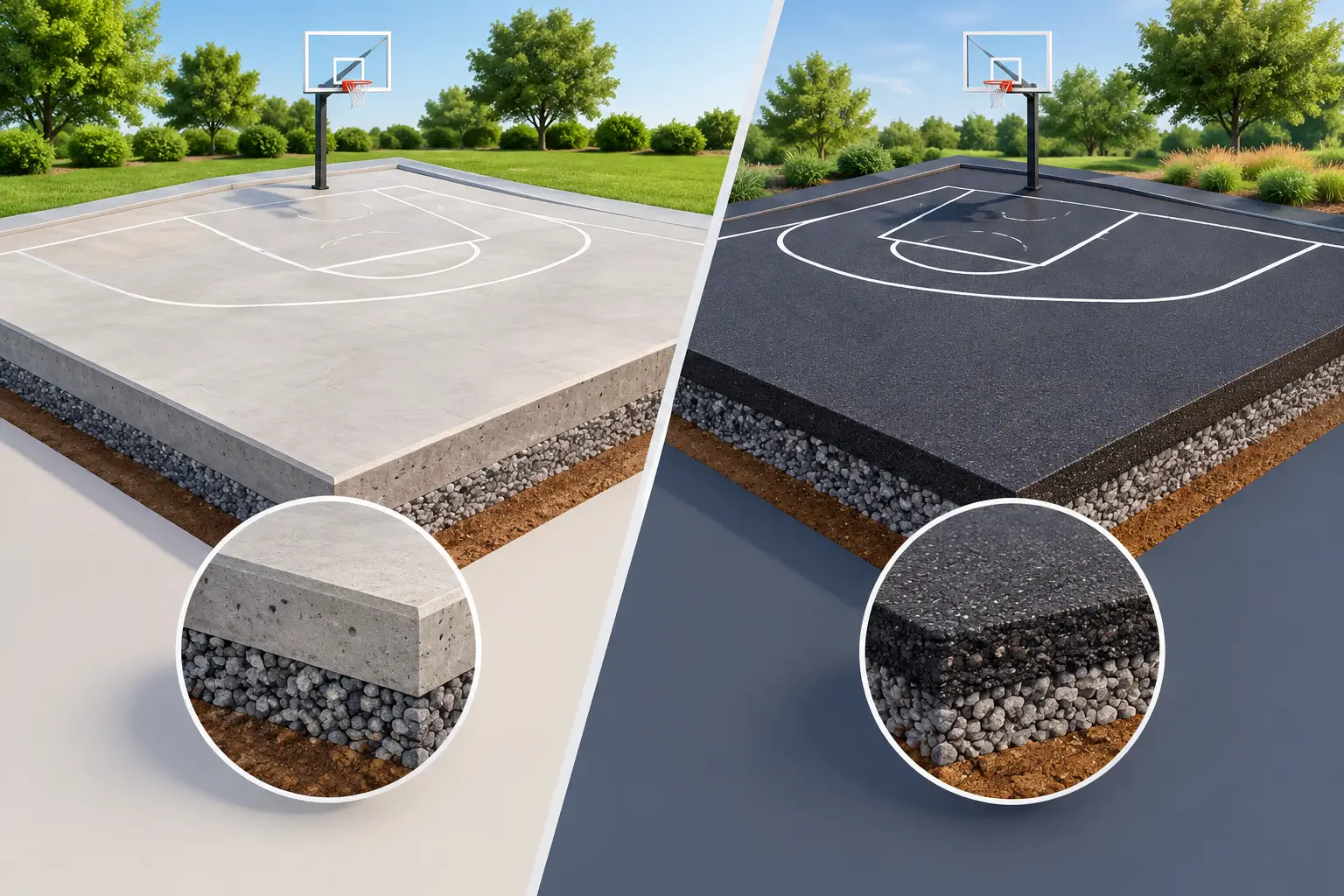
Adventure Parks Built for Saudi Conditions
Recent Posts
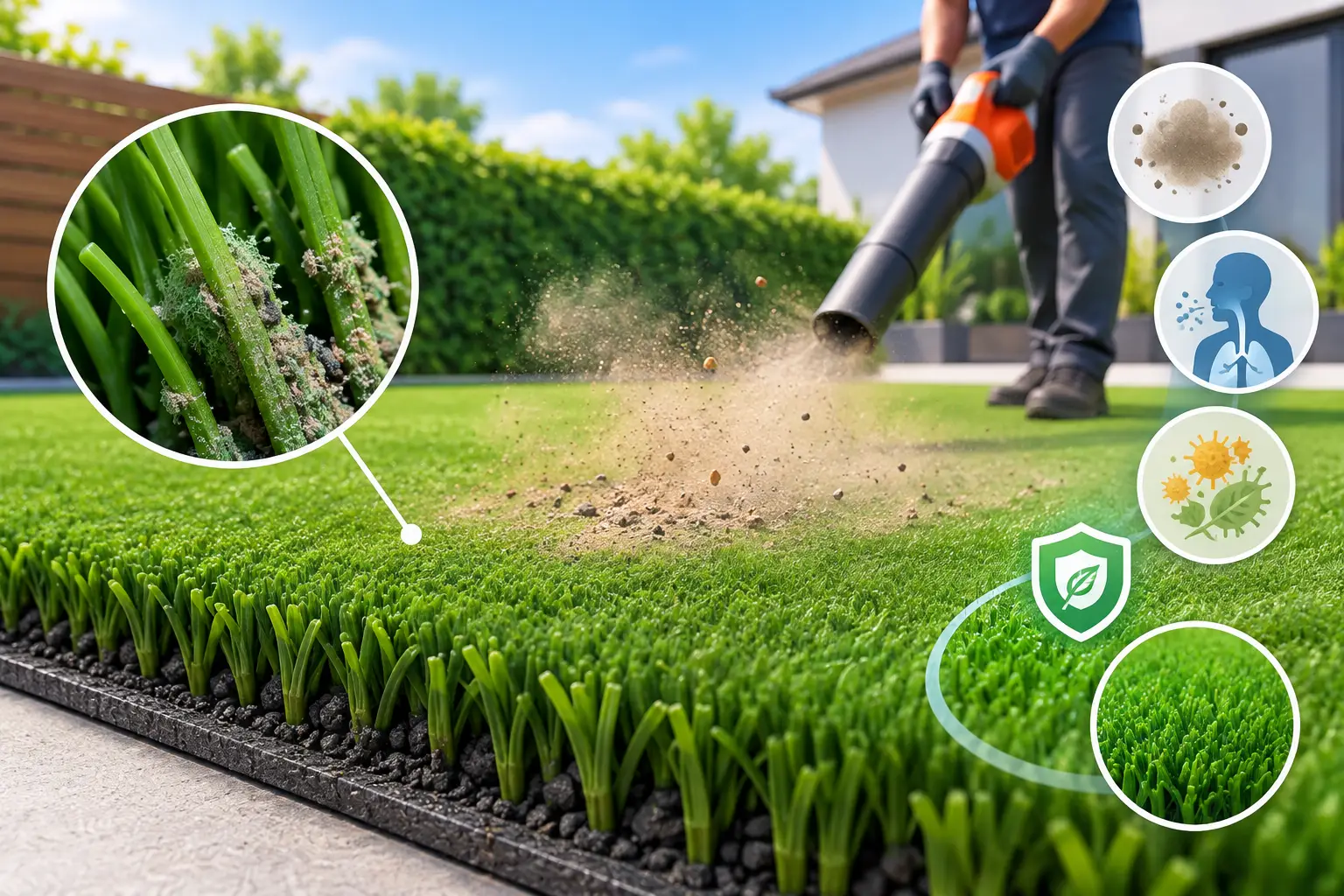
Artificial Turf Dust: Causes, Risks, and Control
October 31, 2026
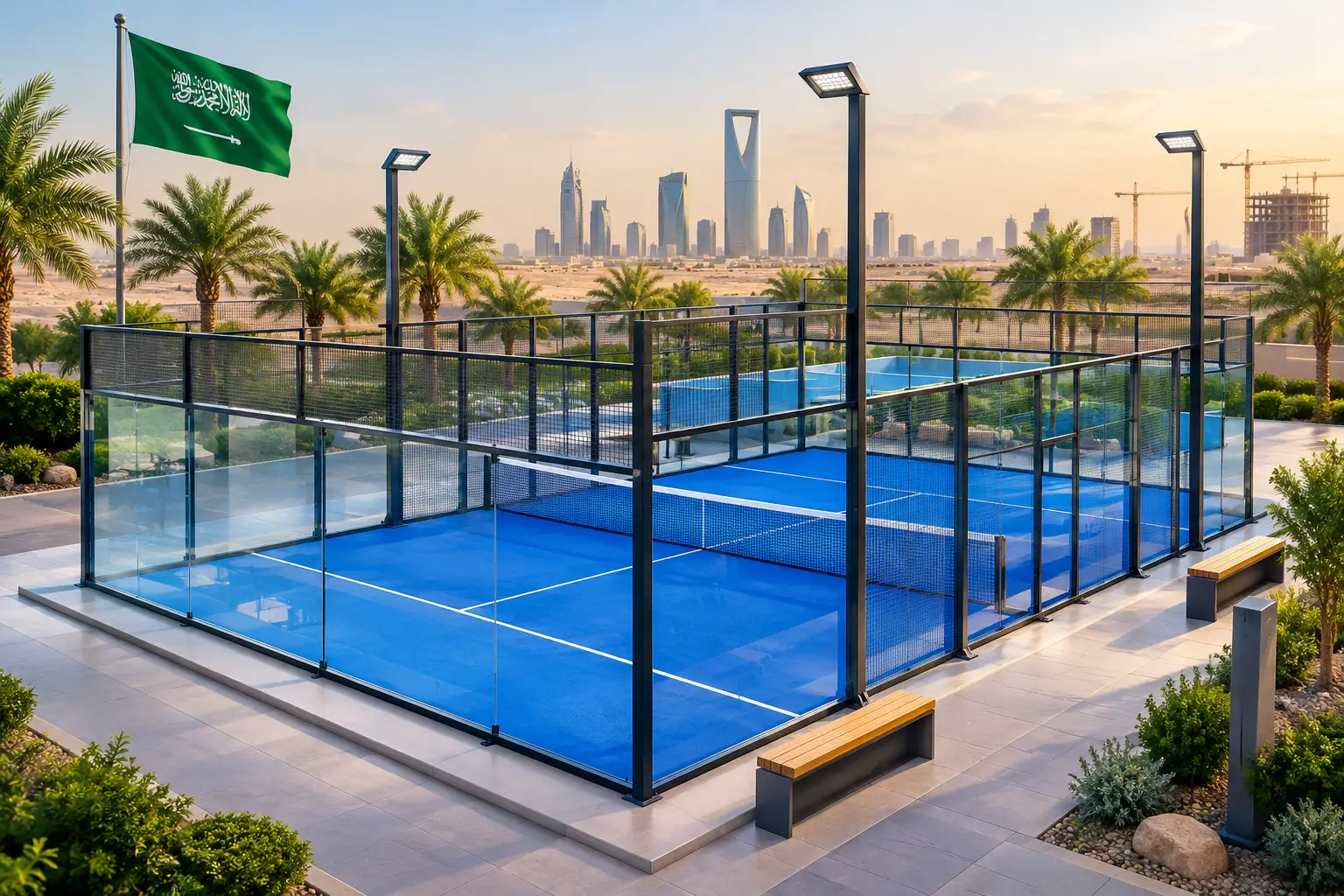
Acrylic Court System Review for Saudi Projects
October 30, 2026
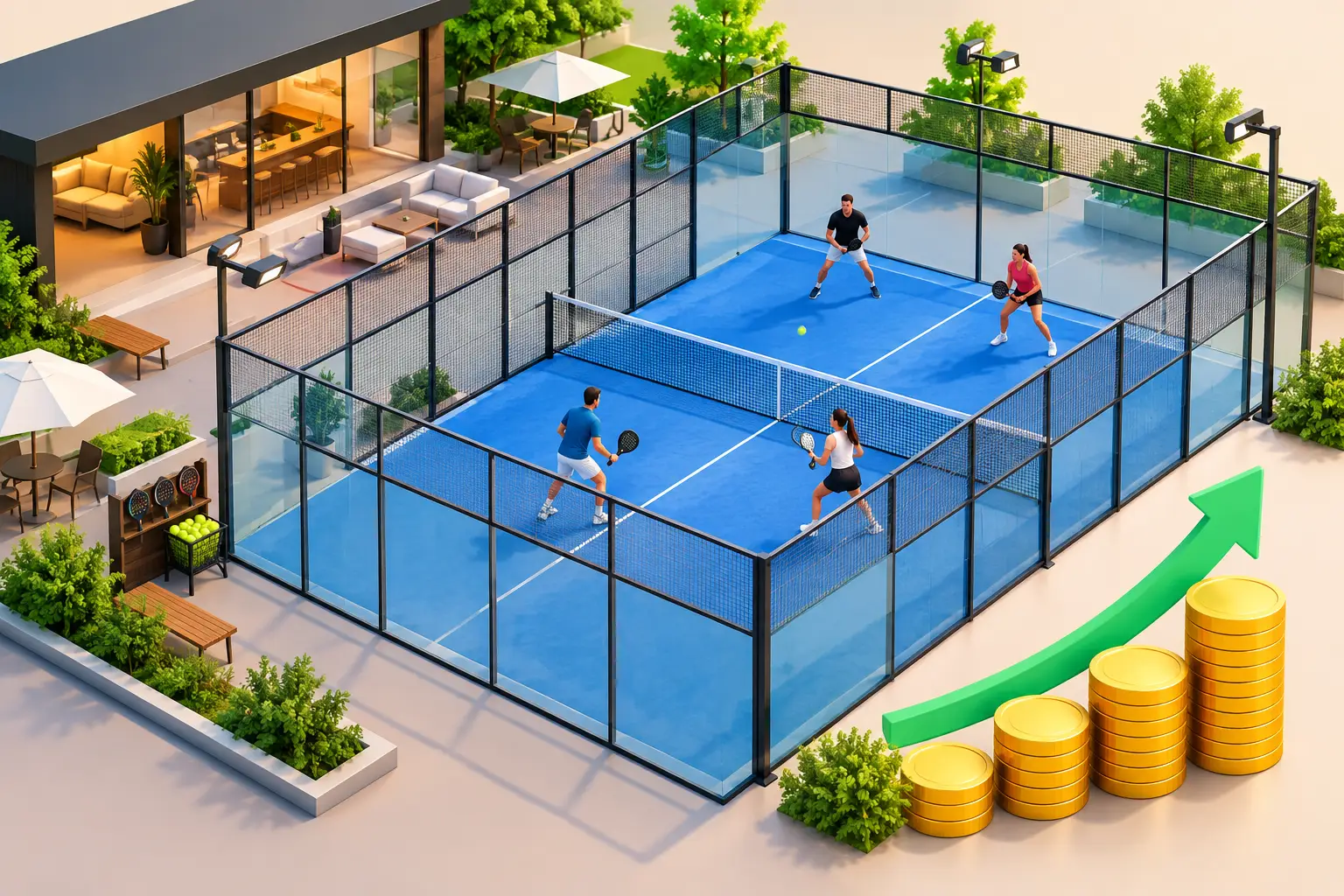
What Drives Strong Padel Court Profitability?
October 29, 2026
Sand Filled Versus Nonfilled Turf for Sports
October 27, 2026
Share Post
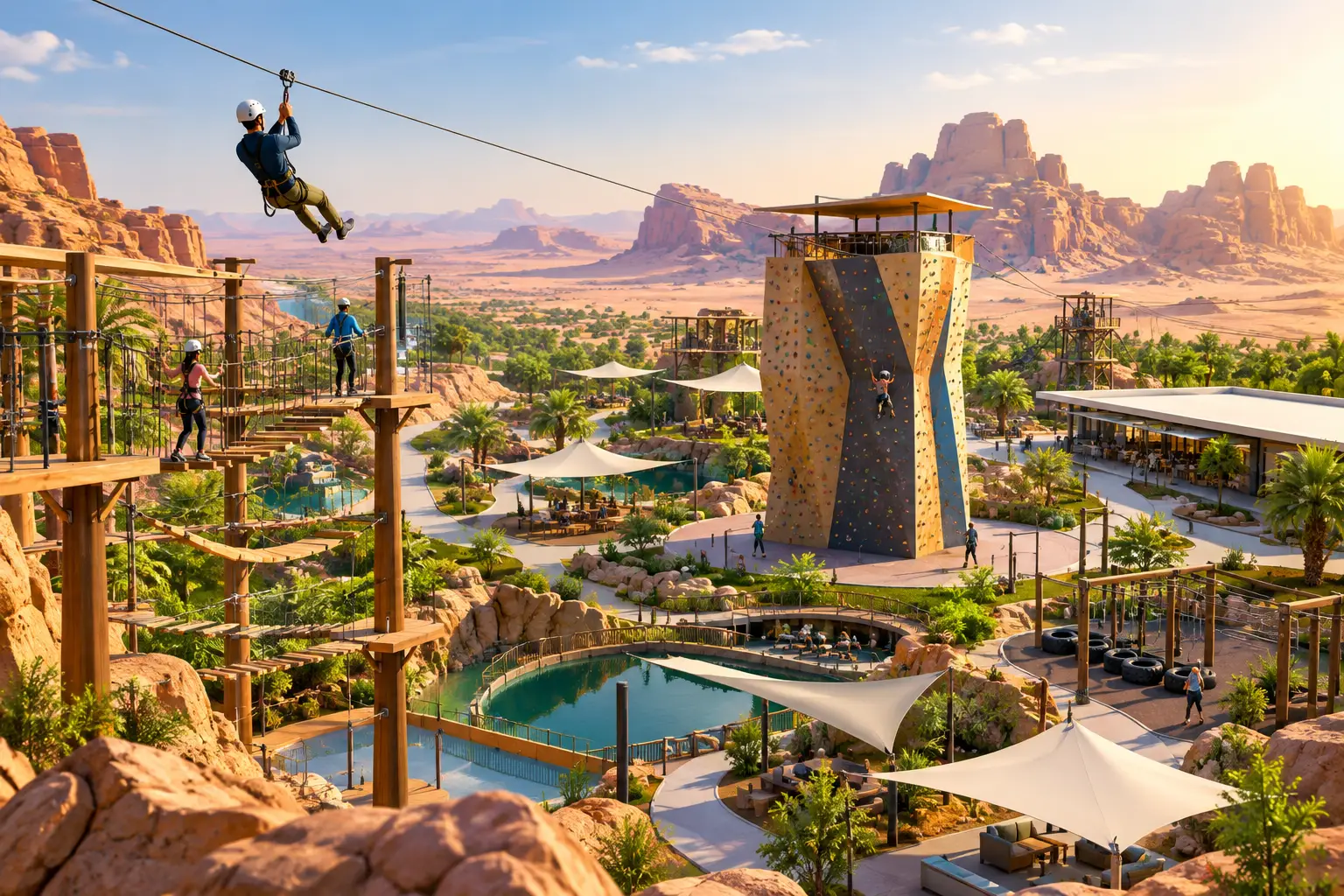
A successful recreational destination is not defined by its tallest climbing tower or fastest slide. It is defined by whether families can use it safely, operators can maintain it efficiently, and developers can depend on it to perform for years. Adventure parks must deliver excitement without compromising safety, accessibility, durability, or the visual quality expected of a premium public or private development.
For Saudi Arabia’s municipalities, destination developers, schools, compounds, and hospitality assets, that requires more than selecting equipment from a catalog. It requires a site-specific recreation environment engineered for extreme heat, intensive foot traffic, UV exposure, and the operational demands of a busy community asset.
Why Adventure Parks Need an Engineered Approach
Adventure parks bring together multiple forms of active play in one setting. A single project may include climbing structures, obstacle courses, rope elements, parkour zones, skate features, pump tracks, splash-adjacent areas, outdoor fitness equipment, shaded gathering spaces, and landscaped circulation routes. Each element has its own installation, clearance, drainage, and surface requirements.
The challenge is coordinating those requirements as one complete environment. A climbing area needs impact attenuation in defined fall zones. A pump track requires accurate shaping, compaction, and a durable riding surface. A skate zone depends on smooth transitions, predictable geometry, and drainage that does not interrupt flow. Paths, seating areas, and entry points need to support circulation for children, parents, staff, and maintenance teams without creating pinch points or uncontrolled crossings.
When these decisions are handled separately, the finished park can look complete but perform poorly. Water may collect at transitions, surfacing may fail around high-wear zones, and equipment placement may restrict sightlines. A full-scope design-and-build approach protects the project from those preventable problems before construction begins.
Start With the Site, Not the Equipment
The strongest concept begins with a clear reading of the site. Topography, soil conditions, access routes, utilities, prevailing sun, wind exposure, drainage paths, surrounding uses, and expected visitor volume all influence the right solution. An adventure park within a resort has different priorities from one serving a neighborhood, school campus, or large mixed-use destination.
Plan for Heat, UV, and Outdoor Exposure
Saudi conditions place unusual pressure on recreational infrastructure. Surface temperatures can affect user comfort, while constant UV exposure can accelerate color fading, binder degradation, and cracking in unsuitable materials. Shade strategy is therefore a core design decision, not an add-on after equipment selection.
Shade structures, tree placement, covered rest areas, and the orientation of high-use activities should work together. Material selection matters just as much. UV-stable systems, heat-conscious color choices, and correctly specified base layers help preserve appearance and performance through long outdoor operating cycles.
Design Circulation Around Real Use
A park is rarely used in the neat sequence shown on a concept plan. Children move quickly between activities, parents gather near seating, siblings of different ages use adjacent spaces, and maintenance staff need access without crossing critical play zones. Clear routes, visible boundaries, and logical activity zoning reduce friction for every user.
Age-based zoning is useful, but it should not produce isolated pockets that feel disconnected. A well-planned layout creates a progression from low-intensity play to more challenging activities while keeping supervision practical. Seating, shade, hydration points, lighting, and rest areas should be placed where people naturally pause, not simply where leftover space remains.
Build the Right Activity Mix
The most valuable adventure parks serve more than one type of visitor. Younger children need confidence-building play and protected fall zones. Teenagers often respond to more dynamic features such as skate elements, parkour structures, pump tracks, climbing challenges, and social spaces. Adults benefit when walking loops, outdoor fitness equipment, and shaded seating make the park a place to stay rather than a place to drop off children.
The right mix depends on the development’s goals. A residential compound may prioritize family recreation and compact footprints. A municipal park may need broad age inclusion, durable amenities, and high throughput. A destination project may use signature structures and integrated landscape design to create a recognizable attraction. Each model requires a different balance of capacity, spectacle, maintenance, and capital cost.
It is also wise to plan for change. Modular features, expandable zones, and adaptable open areas give operators room to add new programs or replace aging equipment without rebuilding the entire park. This flexibility is particularly valuable for developments that expect phased occupancy or seasonal programming.
Surface Systems Are a Safety and Performance Decision
Surface selection is often treated as a finishing choice. In practice, it is one of the most important technical decisions in the project. The correct system influences impact protection, traction, drainage, heat response, cleaning requirements, visual continuity, and lifecycle cost.
EPDM rubber flooring is widely used beneath play and fitness equipment because it can be engineered for shock absorption and installed in custom colors and layouts. The required thickness is determined by the equipment’s critical fall height and the intended use of the zone. A decorative finish is not enough – the complete system, including base preparation and thickness control, must perform as specified.
Artificial turf can work well for low-impact activity areas, informal play spaces, and landscape-integrated recreation zones. It must be selected and installed with attention to infill, edge detailing, drainage, and the anticipated level of foot traffic. Acrylic and polyurethane systems may suit multipurpose activity areas where consistent traction, ease of cleaning, and crisp court-style markings are required.
Hardscape also has a place in adventure environments, particularly for pathways, plazas, skate areas, and pump track surrounds. Its success depends on base construction, joint detailing, slope control, and transitions to softer surfaces. The goal is not to use one material everywhere. It is to place each surface where it delivers the right safety, comfort, and operational result.
Construction Quality Determines Long-Term Value
Even premium equipment and certified materials can underperform when installed on an inadequate base. Subgrade evaluation, excavation, compaction, leveling, drainage, concrete works, anchors, and edge restraints are the foundation of lasting performance. These stages are largely invisible after handover, but they determine whether the park remains stable and usable over time.
Precision installation is especially important where multiple systems meet. The transition from rubber flooring to paving, turf to curbing, or a pump track to its surrounding landscape must prevent trip risks, water intrusion, and premature edge failure. Accurate levels also support accessibility and stop water from collecting in activity areas after cleaning or rainfall.
For complex projects, one accountable contractor should coordinate civil works, surfacing, equipment interfaces, and final inspections. This reduces gaps between trades and gives the client clearer control over schedule, quality documentation, and handover standards. StepX Sports applies this full-scope delivery model to recreational environments built for Saudi conditions, from concept coordination through installation and long-term support.
Plan Maintenance Before Opening Day
Low maintenance does not mean no maintenance. Every adventure park needs an operating plan that matches its materials, visitor volume, and exposure conditions. Routine inspections identify loose fittings, surface wear, damaged components, drainage blockages, and potential hazards before they affect users or create costly repairs.
Operators should establish daily visual checks, scheduled technical inspections, cleaning procedures, and a straightforward reporting process for staff. High-contact areas, impact zones, gates, shade structures, and drainage inlets deserve particular attention. Spare-part availability and access for repair crews should also influence design decisions from the start.
Lifecycle value should be assessed over years, not only at tender stage. A lower initial price can become expensive if materials fade quickly, surfaces require frequent patching, or specialized repairs are difficult to source locally. Durable systems with correct installation and planned upkeep protect both the budget and the visitor experience.
Create a Community Asset, Not a Short-Lived Attraction
The most successful parks become part of daily life. They encourage movement after school, support family gatherings on weekends, provide social spaces for young people, and add measurable value to residential, educational, hospitality, and public developments. That outcome aligns with the wider ambition for healthier, more active communities across Saudi Arabia.
A well-executed adventure park should feel exciting on opening day and dependable years later. Start with the site, specify materials for the climate, control construction quality, and give the operator a realistic maintenance path. When those fundamentals are in place, recreation infrastructure can keep earning its place as a lasting community destination.