
Turnkey Sports Facility Construction Saudi Arabia
Recent Posts
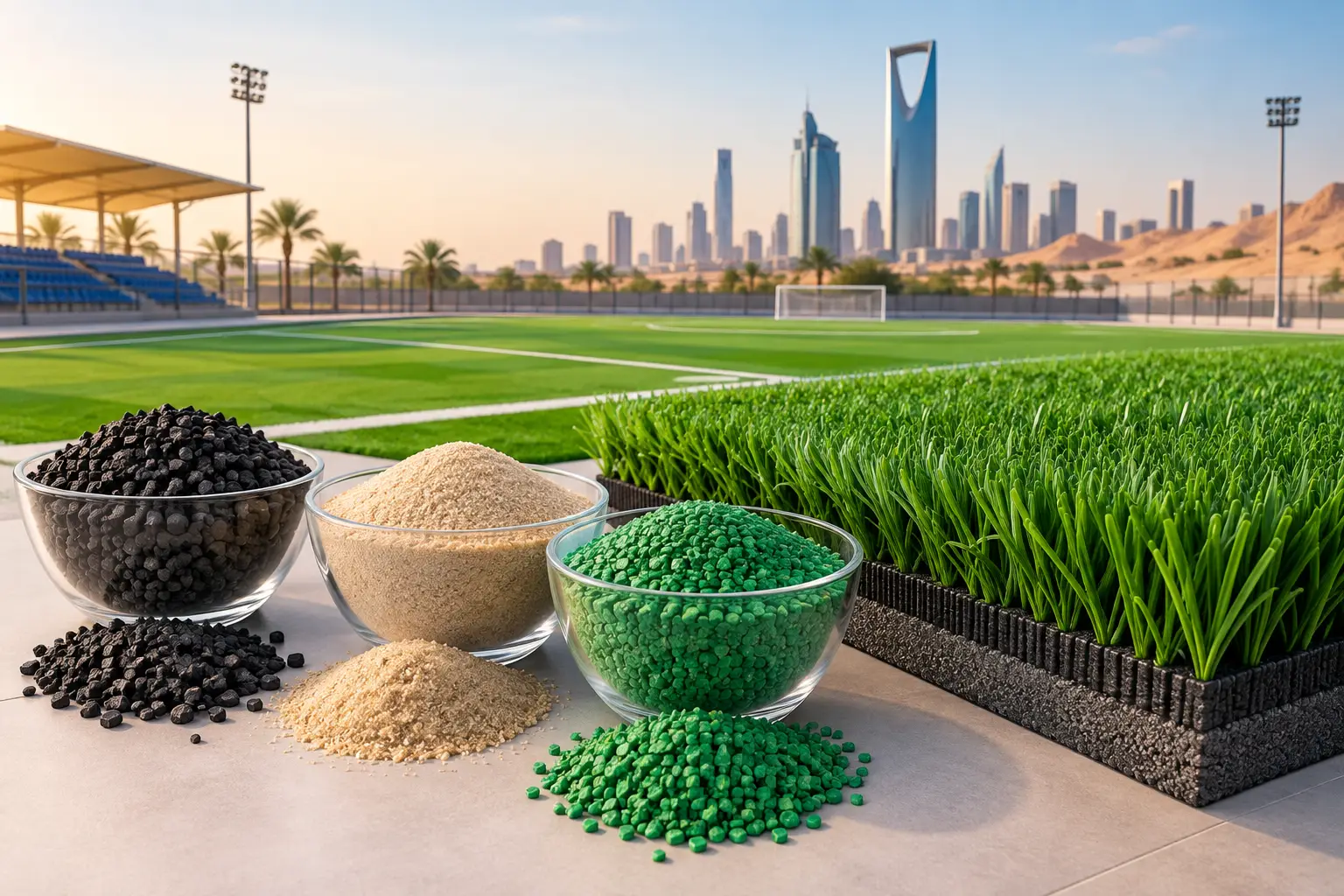
Selecting Turf Infill Materials for Saudi Sports
September 14, 2026
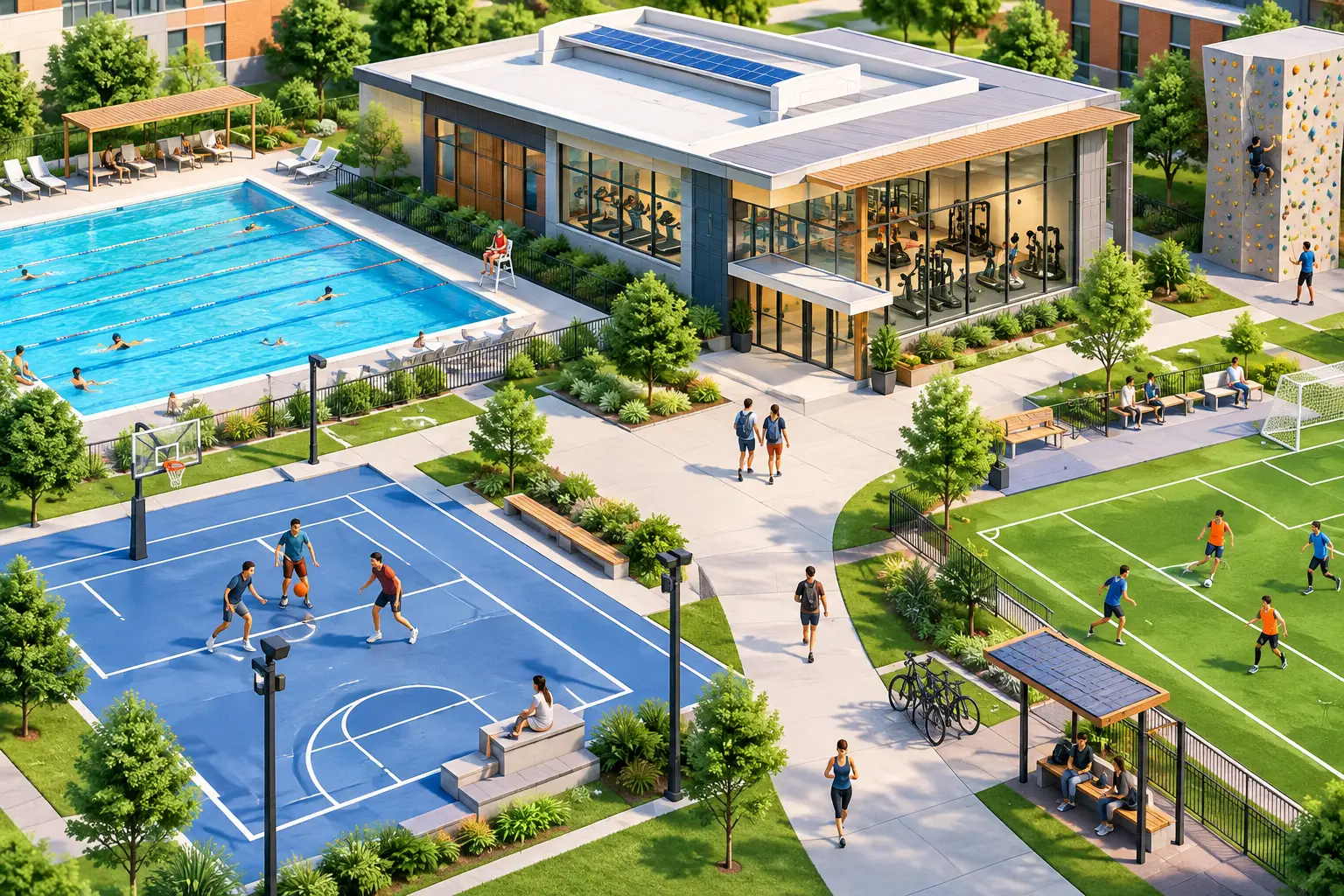
How to Upgrade Campus Recreation for Daily Use
September 13, 2026
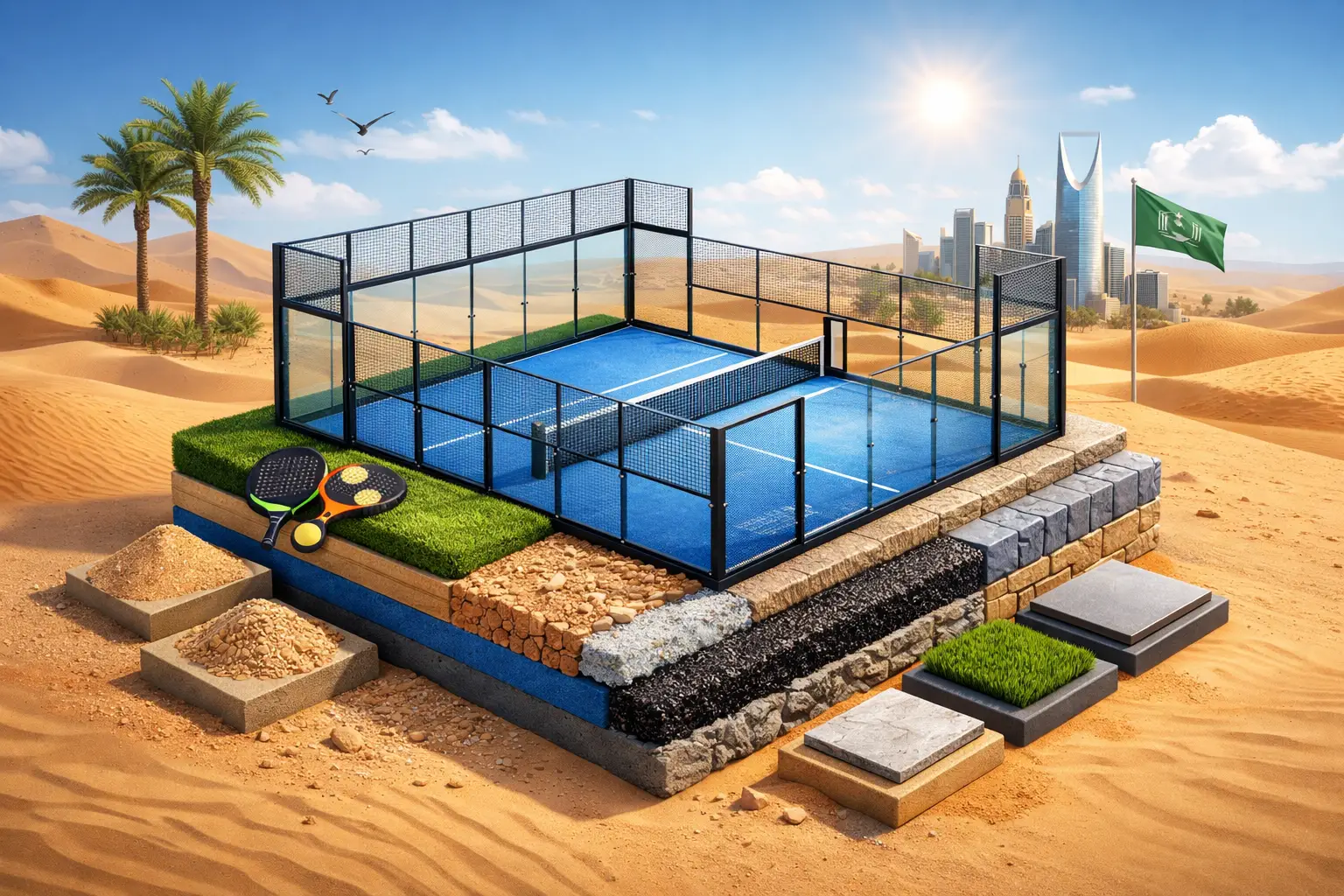
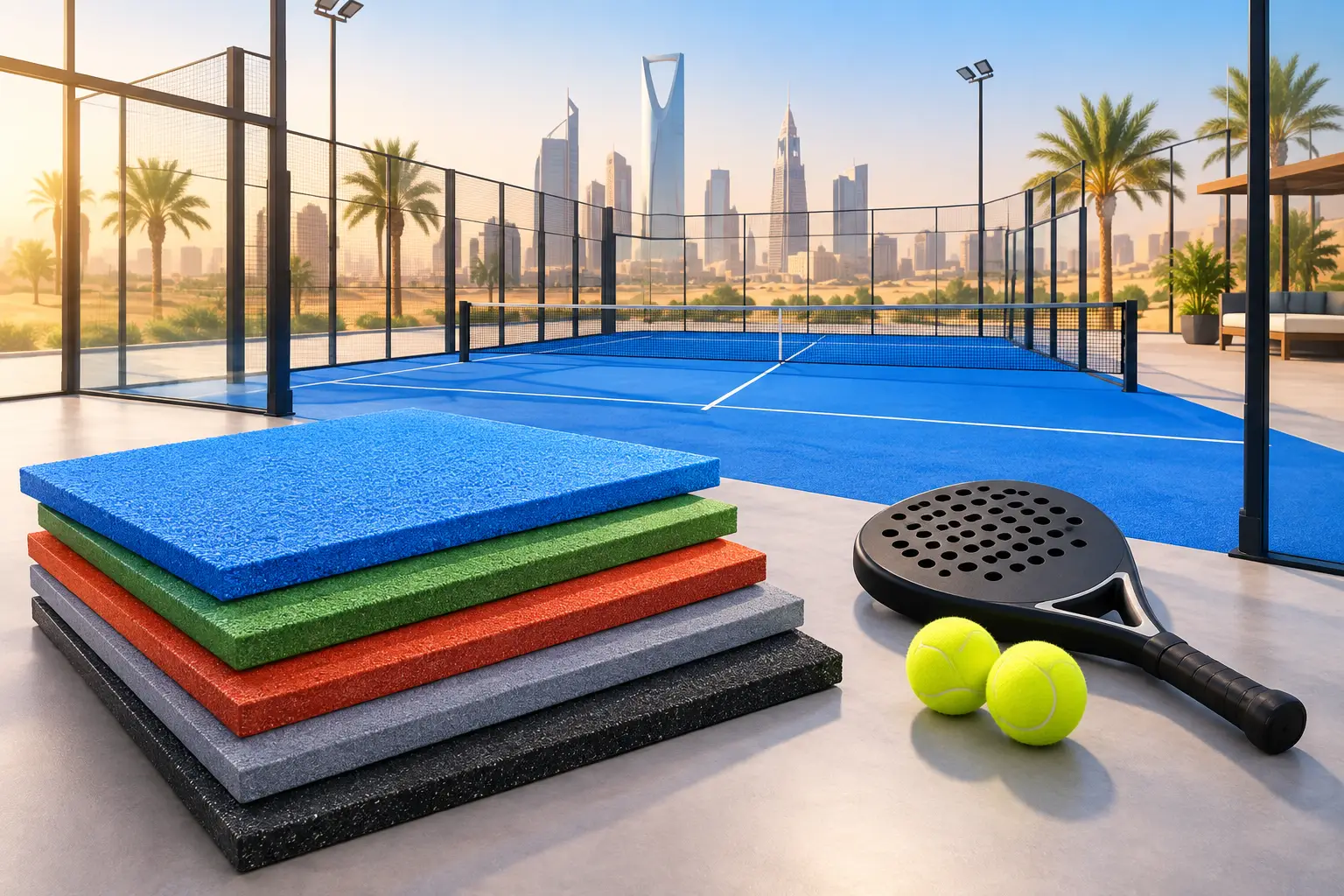
Best Padel Court Materials for Saudi Conditions
September 12, 2026
Best Outdoor Fitness Equipment for Saudi Sites
September 11, 2026
Share Post
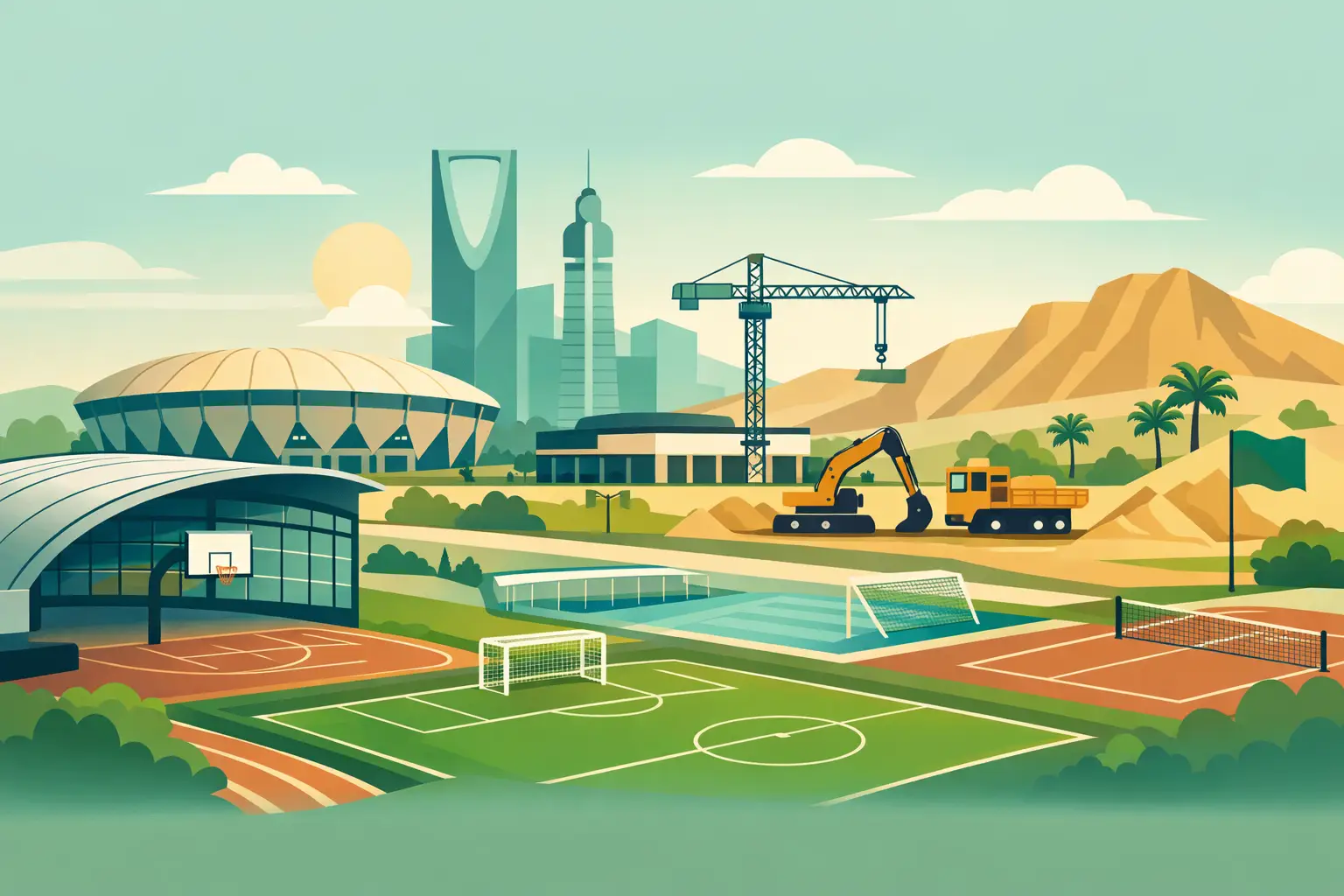
A sports facility is judged long after handover. When the first summer arrives, when usage intensifies, and when operators begin routine maintenance, every design and construction decision becomes visible. Turnkey sports facility construction Saudi Arabia requires more than supplying a surface or installing equipment. It requires coordinated engineering that accounts for heat, UV exposure, dust, drainage, heavy footfall, safety requirements, and the way people will actually use the space.
For developers, institutions, municipalities, schools, and destination operators, the objective is clear: deliver an active environment that looks premium, performs consistently, and remains manageable for years. That outcome depends on having one accountable specialist manage the full scope, from concept and civil preparation to final inspection and ongoing support.
What Full-Scope Turnkey Delivery Really Means
A turnkey sports project is not a collection of separate packages. It is a controlled delivery process in which design intent, site conditions, materials, installation methods, and performance requirements are aligned from the outset.
This approach begins with the brief. A school may need a multi-use court that supports basketball, football, and daily student activity. A hospitality development may require padel courts, outdoor fitness zones, and landscaped recreation areas that reinforce a premium guest experience. A municipality may prioritize durable public courts, running tracks, skate parks, or pump tracks that can withstand sustained community use.
Each application calls for different specifications. The right system depends on expected traffic, the user group, the available footprint, the local environment, maintenance capacity, and the desired life cycle. A turnkey contractor brings these decisions together before construction begins, rather than leaving critical interfaces between multiple suppliers and subcontractors.
One Point of Accountability
The greatest value of an integrated approach is accountability. If earthworks, concrete, drainage, surface installation, fencing, lighting coordination, and equipment are treated as isolated scopes, small gaps can create costly issues. An incorrect fall in the base can affect drainage. Poor substrate preparation can shorten the life of an acrylic court or polyurethane system. Incompatible details around edges, posts, or expansion joints can compromise both appearance and safety.
With full-scope delivery, the project team can control these interfaces. Site surveys inform design. Material selection follows the performance target. Construction sequencing protects finished surfaces. Inspections verify that the completed facility meets the agreed standard before handover.
Building for Saudi Conditions, Not Generic Specifications
Saudi Arabia’s climate places real demands on recreational infrastructure. High surface temperatures, prolonged solar exposure, wind-borne dust, and sharp temperature changes can affect coatings, joints, artificial turf infill, rubber systems, and underlying concrete. A specification that performs well in a mild climate may not provide the same service life locally.
That is why surface engineering must be specific to the site. Acrylic sports courts require carefully prepared bases, suitable coating systems, accurate line marking, and controlled application conditions. Artificial turf needs an appropriate sub-base, drainage strategy, seam detailing, infill selection, and edge restraint. EPDM rubber flooring must be installed with the correct thickness, binder, and base preparation to support shock absorption and long-term bond strength.
The same principle applies to running tracks and polyurethane systems. These are performance surfaces, not decorative finishes. Their quality depends on substrate flatness, moisture conditions, layer thickness, curing, and installation precision. When these factors are managed properly, the result is consistent underfoot behavior, better safety, and a more durable asset.
The Delivery Stages That Protect Project Value
A dependable project does not begin with a product catalog. It begins with a site and operational assessment. Existing levels, access constraints, utilities, drainage routes, surrounding uses, and planned traffic patterns all influence the final solution.
Concept Design and Technical Specification
At concept stage, the focus should be on how the facility will function within the larger development. This includes sport selection, circulation, spectator areas, shade opportunities, lighting allowances, fencing, accessibility, and visual integration with the landscape or architecture.
Technical specifications should then define the systems that will deliver the intended performance. This is where decision-makers should look beyond initial cost. A lower-priced option can create greater expenditure if it fades prematurely, requires frequent repair, retains heat poorly, or cannot withstand the expected user volume. The correct specification balances capital budget, safety, appearance, durability, and operational reality.
Civil Works and Base Preparation
The base is the foundation of sports performance. Whether the facility includes a basketball court, padel court, cricket pitch, skate park, or outdoor fitness area, civil works must establish stable levels, drainage, and structural support.
Shotcrete can be particularly valuable for shaped structures, retaining elements, skate features, and complex landscape interfaces. Concrete slabs require correct thickness, reinforcement, falls, joints, and curing. These details may not be the most visible part of the finished facility, but they determine whether a surface remains stable, drains correctly, and retains a professional finish over time.
Precision Installation and Inspection
Once the site is ready, trained installation teams apply systems according to approved methods and manufacturer requirements. This includes surface layer control, turf seaming, equipment setting-out, line marking, fencing alignment, and finishing details.
Inspection should be a defined stage, not an informal final walk-through. The contractor should verify surface quality, drainage performance, dimensions, fixture security, and the overall condition of the facility before it enters service. For institutional and public-sector clients, this process also supports clearer acceptance, documentation, and asset management.
Choosing the Right Facility Mix
The strongest recreation environments are planned around users and place. A compound may benefit from a compact multi-sport court, padel court, children’s play-safe rubber areas, and outdoor fitness equipment. A university campus may need competition-ready basketball courts, running lanes, artificial turf training zones, and high-capacity circulation. A destination development may combine premium padel courts with walking routes, wellness spaces, and visually integrated outdoor activity zones.
It depends on the project’s purpose. A facility designed primarily for casual community use needs forgiving surfaces, clear access, and low-maintenance components. A venue intended for intensive training or formal competition may require tighter tolerances, specialized systems, and more structured operational support.
There is also a strategic choice between single-sport and multi-use spaces. Multi-use courts make efficient use of land and can encourage broader participation. Dedicated courts may provide a higher-quality playing experience and stronger commercial positioning, especially for padel, basketball, or football-focused developments. The right answer is based on demand, programming, available space, and long-term operating goals.
Sports Infrastructure as a Long-Term Development Asset
Well-executed sports infrastructure does more than fill an amenity schedule. It gives neighborhoods, campuses, resorts, and public spaces a reason to be used every day. It supports active lifestyles, creates community interaction, strengthens a development’s identity, and contributes to the broader ambitions of Saudi Vision 2030.
For operators, the most successful facilities are also the easiest to manage. They have clear drainage, durable finishes, practical access for maintenance, safe transitions between zones, and materials selected for their real exposure conditions. Long-term value comes from reducing avoidable interventions while maintaining a polished experience for users.
StepX Sports approaches this work as a complete construction responsibility: translating a site brief into high-performance courts, tracks, turf systems, fitness spaces, and recreation assets built for Saudi conditions. The focus is not simply on completing installation, but on delivering a facility that continues to perform under daily use.
The best time to protect a sports facility’s life cycle is before the first excavation begins. Set the performance standard early, insist on coordinated design-and-build control, and treat every base layer, drainage detail, and surface specification as part of the finished experience.